Sustainability is repackaged frugality

Perspective
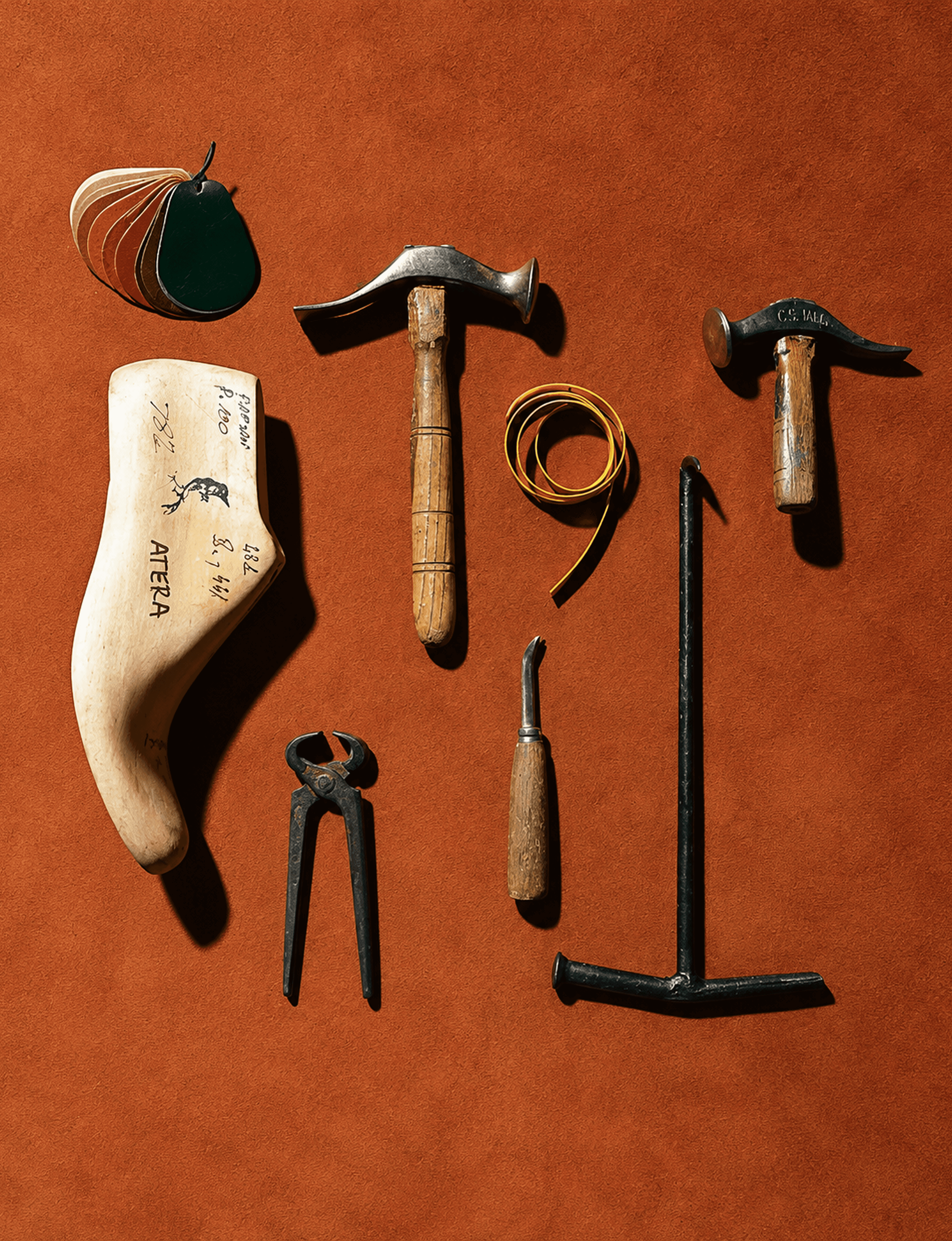
Nobody describes their own daily life as authentic. The word arrives when someone on the outside needs reassurance the thing hasn't been faked. Heritage brands lean on it constantly. Since 1947. Handcrafted. Authentic recipe, passed down. But the weaver who has done kanjeevaram work in the same house for three generations doesn't have "authentic" anywhere in their vocabulary for it. It's just work, described in completely unglamorous terms: this many days, this much silk, this is what my mother taught me. Ask the bronze caster in Swamimalai how long their family has been casting temple deities the lost-wax way and they'll give you a number, not a pitch. Nobody in the workshop reaches for the word. It only turns up later, usually in a brief, bolted on by a brand or a buyer who needs the reassurance the maker never needed in the first place. That's the tell. The moment "authentic" enters a sentence about a craft, the thing being sold has already started performing itself for an audience that wasn't there when it was actually being made. A studio one phone call from the maker gets to see the gap firsthand: how differently the workshop talks about the work versus how the deck talks about it. Distance is what makes "authentic" sound neutral. Proximity makes it sound like marketing, because it is. This is a useful discipline for a brief. If the word "authentic" is doing the reassuring, ask what specifically it's standing in for: years, technique, materials, a name. Put that in instead. A number survives scrutiny. An adjective doesn't.

